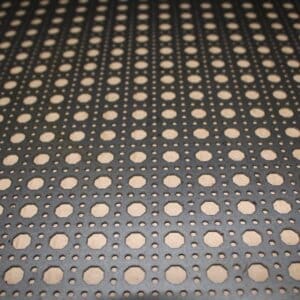
Perforated materials are prevalent in architecture, OEM, Agricultural, and Fisheries as they offer aesthetic and functional benefits. Perforated materials are characterized by tiny holes or perforations arranged in a specific pattern on the material’s surface. These holes allow light, air, and sound to pass through, creating a unique visual effect and providing functional advantages for […]

How Do Custom Replacement Screens Reduce Equipment Downtime?
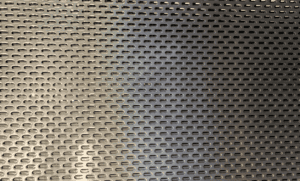
Every minute of unplanned downtime costs manufacturers time and money. Waiting for a standard replacement part only increases those costs, especially if that standard part doesn’t actually fit your equipment. With custom replacement screens, however, manufacturers can reduce downtime. Whether your operation handles aggregate, agricultural products, recycled materials, or other industrial materials, custom perforated metal […]
How Do Laser Cutting and Welding Work Together in Metal Fabrication?
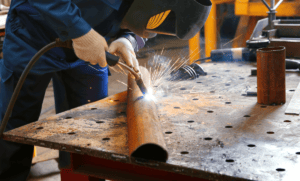
Laser cutting and welding work together to turn raw materials into precise, durable components. The processes are often used jointly in industries like manufacturing and construction to improve part fit, reduce rework, and streamline production. Keep reading to see if it makes sense for your metal fabrication project. How Do Laser Cutting and Welding Work […]
How to Design Perforated Panels for Strength
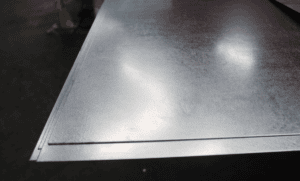
A perforated metal panel’s strength doesn’t just come from the material itself. Every opening removes material from the panel, affecting the structural strength of the finished product. That means designers and engineers need to carefully consider hole size, spacing, pattern, and gauge when designing perforated panels for strength. How Do You Design Perforated Metal Panels […]
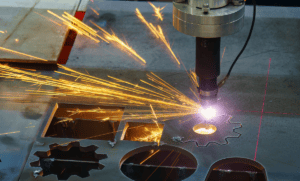
What’s the Difference Between Fiber Lasers and CO2 Lasers?
When you need precision-cut components, the technology behind the laser makes all the difference in speed, material compatibility, efficiency, and the quality of the finished part. While CO2 lasers are ideal for organic materials, fiber lasers have become a pillar of metal fabrication. Both technologies have their time and place, and understanding what those are […]
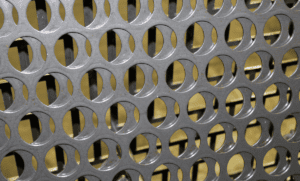
How to Prevent Common Perforated Metal Problems
Perforated metal can solve a lot of challenges, like airflow, screening, filtration, protection, and appearance. But that’s not to say it doesn’t come with occasional problems. In our experience, the most common perforated metal problems stem from projects that start with the wrong specs. Here’s how to identify potential issues before production so you can […]
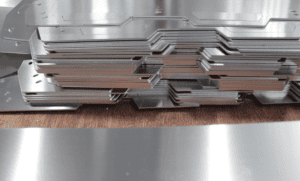
What’s the Difference Between Laser Cutting Steel vs Aluminum?
Steel and aluminum are the two most popular metals used for laser cutting. While both materials work well with modern fiber lasers, they each react differently to the laser beam. These differences affect everything from your finished part’s weight and strength to its corrosion resistance and cost. To make an informed decision for your metal […]

Understanding Laser Cutting Tolerances: What Engineers, Designers, and Buyers Need to Know
Laser cutting provides exceptional accuracy, but no manufacturing process produces dimensions with absolute mathematical perfection. When a metal component needs to fit, align, or be assembled, understanding laser cutting tolerances helps create realistic specifications for that part. Keep reading to see how material type, thickness, geometry, equipment, downstream fabrication, and other variables all affect tolerances, […]
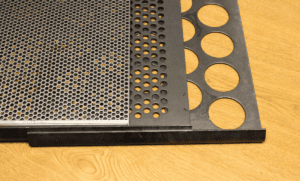
How Do I Specify Perforated Metal for My Project?
What’s the difference between a component that performs exactly as it should vs. one that causes costly design or production problems? Often, it’s simply knowing how to specify perforated metal. Hole size, centers, material gauge, open area, and sheet size all factor into how a perforated sheet looks, performs, and fits into your finished assembly. […]
How to Prepare a Metal Fabrication RFQ
What’s the difference between receiving a useful, accurate quote and spending days answering follow-up questions? A clear metal fabrication RFQ. When you give your fabrication partner your complete specifications from the start, they can accurately determine the right materials, processes, tolerances, finishing requirements, and delivery expectations for your project. It can also help reduce unpleasant […]

How Do You Calculate Open Area for Perforated Metal?
Open area affects everything from airflow and visibility to material flow and structural performance. Understanding how to correctly calculate the open area for perforated metal helps you choose a perforation pattern that performs how you need it to. Keep reading as we explain what open area is and how to determine the exact percentage for […]