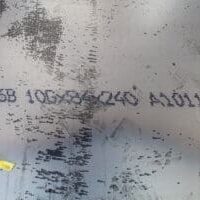
Heavy industrial equipment operates in some of the toughest conditions imaginable. Components are continuously exposed to extreme heat, corrosive chemicals, abrasion, UV exposure, pressure washing, and mechanical wear. Even in these harsh conditions, component identification tags and permanent part markings must remain readable. This is why it’s so vital to choose the right marking methods for heavy industry.
High-durability metal tagging ensures parts can be identified throughout their service life to maintain traceability, regulatory compliance, and operational efficiency. Laser technology is one of the most reliable solutions for heavy industry markings that won’t fade, peel, or disappear. Keep reading to see how laser marking creates high-contrast marks that last for decades – without damaging the material.
What Is the Best Metal Marking Method for Harsh Industrial Environments?
Laser engraving and laser annealing provide the most durable metal marking solutions for harsh industrial environments because they create permanent, highly legible marks that resist abrasion, corrosion, chemicals, UV exposure, and extreme temperatures. Unlike labels or ink printing, laser marking becomes part of the metal itself, ensuring long-term identification and traceability.
Why Do Marking Methods Matter for Heavy Industry?
Every industrial operation depends on accurate part identification. Equipment manufacturers, fabrication shops, and maintenance teams all need permanent identification for everything from serialized components to safety information and asset tracking.
High-durability metal tagging helps:
- Maintain product traceability
- Meet industry compliance requirements
- Improve maintenance accuracy
- Support warranty documentation
- Simplify replacement part identification
- Reduce costly identification errors
When a component’s identification disappears, it’s harder for maintenance personnel to verify replacement parts, inspectors may lose critical manufacturing records, and operators may experience unnecessary downtime.
In our experience, making permanent identification part of the production process is extremely beneficial for manufacturers. We’ve found that investing in durable marking upfront often prevents expensive maintenance and documentation challenges later.
What Challenges Do Metal Tags Face in Heavy Industry?
Industrial facilities expose identification tags to conditions that quickly destroy conventional labeling methods.
Abrasion and Mechanical Wear
Mining equipment, agricultural machinery, heavy trucks, and construction equipment are subject to constant vibration and physical contact. Dirt, rocks, debris, and repeated handling wear away at painted or printed markings.
Using laser marking methods for heavy industry applications, however, helps maintain legibility because the mark is part of the metal surface rather than simply sitting on top of it.
Chemical Exposure
Manufacturing plants regularly use solvents, lubricants, cleaning agents, fuels, hydraulic fluids, and industrial chemicals. Adhesive labels and ink can’t withstand this level of chemical exposure for long.
With permanent laser engraving, on the other hand, there’s no ink or adhesive, so the marking lasts throughout the component’s lifecycle.
Extreme Temperatures
Industrial equipment frequently operates in freezing outdoor environments or near high-temperature manufacturing processes. These extreme temperature fluctuations cause many labels to crack, curl, or detach.
Laser marking methods, however, remain stable across a wide temperature range which makes them ideal for demanding heavy industry applications.
Corrosion and Weather Exposure
Outdoor equipment regularly encounters everything from rain and snow to salt spray and humidity, not to mention continuous UV radiation. We’ve found that using permanent laser marking on corrosion-resistant metals provides long-lasting identification despite years of environmental exposure.
What Are the Best Metal Marking Methods for Heavy Industry?
There are several technologies available for marking metal components, but they don’t all provide the same level of durability.
Laser Engraving
Laser engraving physically removes a controlled amount of material to create deep, permanent markings. Because the information is recessed into the metal surface, these marks resist abrasion exceptionally well.
In our experience, laser engraving works well for:
- Equipment identification plates
- Serial numbers
- Asset tags
- Machine components
- Industrial nameplates
- Safety information
Deep laser engraving is one of the most durable marking methods available for heavy industrial environments.
Laser Annealing
Laser annealing changes the metal’s surface color without removing any material. This process produces high-contrast black marks that maintain a smooth surface finish and preserve corrosion resistance.
Manufacturers often choose laser annealing when cleanliness and corrosion resistance are high priorities.
Laser Etching
Laser etching creates a shallow surface mark by melting the metal’s top layer. While it does provide excellent readability and production speed, it doesn’t provide the same level of abrasion resistance as deep laser engraving does.
In our experience, manufacturers use laser etching for parts that won’t experience significant physical wear but still require permanent identification.
Dot Peen Marking
Dot peen systems create marks by striking the surface with a hardened pin. The process produces permanent identification, but the marks often lack the precision, contrast, and flexibility of laser marking. Dot peen also creates physical stress on the material, which makes it less suitable for applications that demand clean aesthetics or intricate graphics.
Chemical Etching
Chemical etching creates durable identification on metal surfaces, but the process involves masks, chemicals, and additional handling. It also generates chemical waste and limits variable data like serial numbers or QR codes.
We’ve found that when manufacturers are looking for speed, precision, and repeatability, laser marking typically delivers the best results.
Choosing the Right Metal for Industrial Tags
Even the best marking technology performs better when it’s paired with the appropriate material. Heavy industrial applications typically use metals that resist corrosion, impact, and environmental exposure.
Stainless Steel
Stainless steel is one of the most popular choices for industrial identification tags. It’s known for its excellent corrosion resistance, high strength, and exceptional compatibility with laser engraving and laser annealing.
Aluminum
Aluminum is a lightweight option with excellent corrosion resistance. Laser systems work with aluminum to produce crisp, permanent marks that work well for equipment labels, serialized parts, and asset management.
Carbon Steel
Carbon steel delivers outstanding durability for equipment operating in demanding environments. Protective coatings combined with permanent laser marking provide long-lasting identification for many industrial applications.
Industries That Depend on High-Durability Metal Tagging
Nearly every heavy industrial sector requires permanent identification to improve traceability, safety, and maintenance.
Construction Equipment
Excavators, loaders, cranes, and heavy trucks rely on permanent serial numbers, identification plates, and safety markings that remain legible even with years of demanding use.
Mining Operations
Mining equipment operates in highly abrasive environments filled with dust, rock, moisture, and vibration. Deep laser engraving helps maintain readable identification throughout extended equipment service lives.
Oil and Gas
Pipelines, valves, pressure vessels, and production equipment all require durable identification that can withstand corrosive environments and challenging weather conditions.
Manufacturing
Production facilities depend on permanent identification for tooling, fixtures, inventory tracking, machine components, and quality control documentation.
Transportation and Rail
Rail equipment, trailers, commercial vehicles, and fleet assets require identification that survives continuous vibration, outdoor exposure, and routine maintenance.
Why Fiber Laser Marking Methods Excel in Heavy Industry
Fiber laser technology has become the preferred solution for industrial metal marking thanks to its speed, accuracy, and exceptional durability. Fiber lasers produce:
- Permanent high-contrast markings
- Exceptional precision for text, logos, barcodes, and QR codes
- Fast production speeds
- Minimal maintenance requirements
- Excellent repeatability across large production runs
- Compatibility with stainless steel, aluminum, carbon steel, titanium, brass, and other industrial metals
Unlike adhesive labels or ink-based printing, laser marking requires no consumables, reducing operating costs. We’ve also found that companies often improve traceability and reduce maintenance costs associated with damaged identification plates when they transition from labels or stamped tags to laser marking.
Frequently Asked Questions
What is the most durable metal marking method?
Deep laser engraving provides one of the most durable marking methods because it permanently removes material to create markings that resist abrasion, chemicals, weather, and extreme temperatures.
Can laser markings withstand harsh industrial environments?
Yes. Properly engraved laser markings remain legible even after exposure to chemicals, UV light, moisture, vibration, and mechanical wear, making them ideal for heavy industry.
What metals can be laser marked?
Fiber laser systems can permanently mark stainless steel, aluminum, carbon steel, titanium, brass, copper, and many other industrial metals.
Why choose laser marking instead of adhesive labels?
Laser marking creates permanent identification directly on the metal surface, eliminating concerns about peeling, fading, chemical damage, or adhesive failure.
Partner with Profile Laser for High-Durability Metal Tagging
Permanent identification protects products, supports compliance, and simplifies maintenance throughout the life of industrial equipment. Choosing the right marking technology ensures that identification remains readable even after years of harsh operating conditions.
At Profile Laser, we provide precision laser engraving and marking methods for heavy industry manufacturers. Our advanced fiber laser systems produce crisp, permanent markings on stainless steel, aluminum, carbon steel, and other industrial metals. Whether you need serialized identification plates, industrial nameplates, equipment tags, barcodes, QR codes, or custom part marking, our experienced team delivers consistent quality with fast turnaround.
Contact us today for a same-day quote and see how our laser marking capabilities can help your products withstand the toughest industrial environments.