Roy Mfg Knowledge Base
Whether considering an interior or exterior application, questions about using mixed metals in welded metal panel projects are common. As a custom perforated metal manufacturer dedicated to innovation and excellence, we aim to shed light on this topic and explore the potential applications, benefits, and considerations of utilizing mixed metals in such projects.
 Understanding Mixed Metals in Welded Metal Panel Projects
Mixed metals refer to the combination of different metal types within a single project or component. This approach can offer unique aesthetic appeal, enhanced functionality, and increased durability when properly executed. However, it requires careful planning, meticulous execution, and a thorough understanding of the properties of each metal involved.
Applications for Using Mixed Metals in Welded Panel Projects
Mixed metals can be employed in a myriad of applications, ranging from architectural design to industrial manufacturing. One notable example is the use of stainless steel and aluminum in architectural façades. Stainless steel provides strength, corrosion resistance, and a sleek appearance, while aluminum offers lightweight properties and versatility in design.
In industrial settings, combining metals like carbon steel and copper can yield panels with enhanced conductivity and structural integrity. These panels find application in electrical enclosures, machinery housing, and heat exchangers, where conductivity and durability are paramount.
Benefits of Using Mixed Metals
1. Enhanced Aesthetics: Mixing metals allows for the creation of visually striking designs by incorporating contrasting colors, textures, and finishes. This versatility enables designers to achieve unique and eye-catching effects that stand out in any setting.
2. Improved Functionality: Each metal brings its own set of properties to the table, allowing for tailored solutions to specific requirements. For instance, combining corrosion-resistant metals with those possessing high strength or conductivity can result in panels optimized for durability and performance.
3. Increased Durability: By strategically selecting metals based on their inherent strengths and weaknesses, mixed metal panels can exhibit superior resistance to wear, corrosion, and environmental factors. This durability ensures longevity and minimal maintenance requirements, making them ideal for both indoor and outdoor applications.
Considerations and Best Practices
While the prospect of using mixed metals in welded panel projects is enticing, several considerations must be taken into account to ensure successful outcomes:
1. Compatibility: Not all metals are compatible with each other, especially when exposed to certain environments or conditions. It is essential to assess the compatibility of chosen metals to prevent galvanic corrosion or other undesirable reactions.
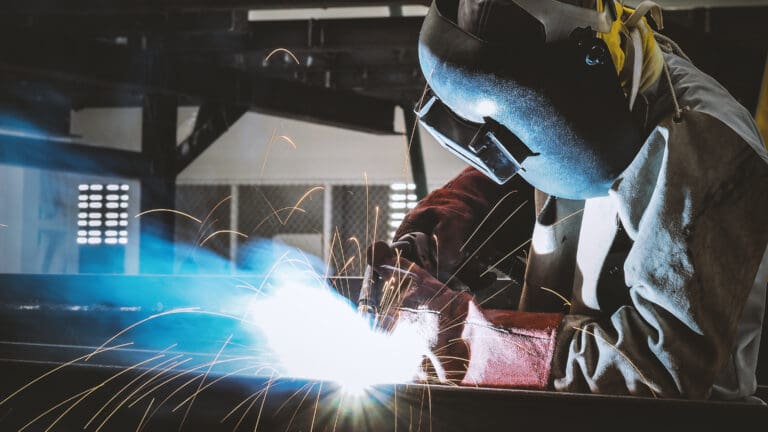
2. Joining Methods: Welding, soldering, or mechanical fastening are commonly employed methods for joining mixed metals. Each method has its own set of advantages and limitations, so careful selection is crucial to achieving strong and durable connections.
3. Surface Preparation: Proper surface preparation, including cleaning, degreasing, and pre-treatment, is essential to ensure optimal adhesion and bonding between different metals. Neglecting this step can result in weak joints or premature failure.
4. Thermal Expansion: Metals expand and contract at different rates when exposed to temperature fluctuations. Consideration must be given to thermal expansion and contraction to prevent warping, buckling, or stress-induced failure in mixed metal panels.
Examples of Successful Applications
1. Architectural Cladding: Mixed metal panels combining copper, zinc, and stainless steel have been used to create visually stunning façades that withstand the elements while adding character to buildings.
2. Interior Design: Custom perforated metal panels featuring a combination of brass and aluminum have been utilized in interior design projects to create decorative partitions, wall cladding, and ceiling features that exude elegance and sophistication.
3. Industrial Enclosures: Welded metal panels incorporating a mix of carbon steel and aluminum have found application in industrial enclosures, offering a balance of strength, conductivity, and corrosion resistance for protecting sensitive equipment.
Roy Manufacturing is your source for custom perforated metal panels.
The use of mixed metals in welded metal panel projects presents exciting opportunities for innovation and creativity. By understanding the properties of different metals, adhering to best practices, and considering the specific requirements of each application, custom perforated metal manufacturers can harness the benefits of mixed metals to deliver exceptional solutions that surpass expectations. Contact our professional team at Roy Manufacturing today and learn more about adding custom perforated metal panels to your project.